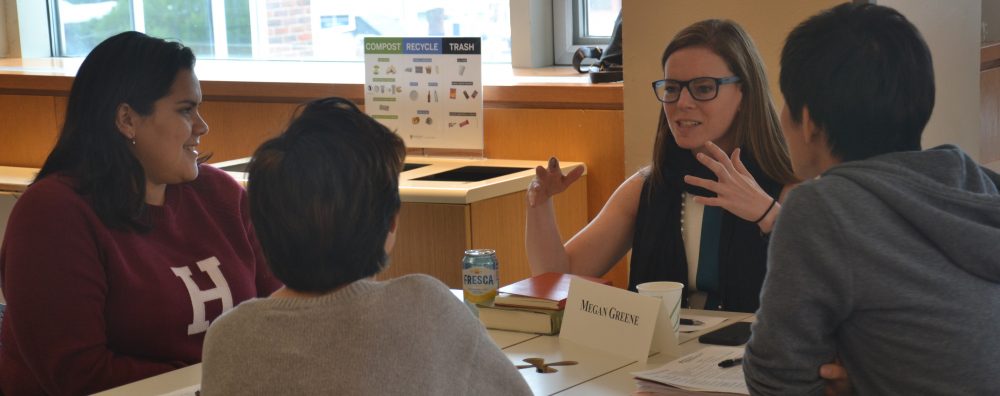
I had the great pleasure to teach a course on structural reforms and sovereign debt crisis at the European University Institute near Florence, Italy on Sep 16-17. My partners in crime were George Papaconstantinou (the Greek finance minister when Greece was pushed into its first bailout), Bob Traa (former IMF senior representative in Greece) and Nicola Giammarioli (Secretary General of the ESM).
The course covered the economics behind structural reforms and sovereign debt crises, how to design a reform programme, how to rehaul government budgets and how to devise multiannual budgets. First hand examples were sprinkled throughout, with the teachers representing a bailout country (Greece), the institutions (IMF and ESM) and the markets.
A million thanks to George Papaconstantinou for organizing the course and inviting us to take part!

 Megan Greene